Creating compost in our Gardens' project
It was a journey of work to help the soil regain fertility
12/27/20253 min read
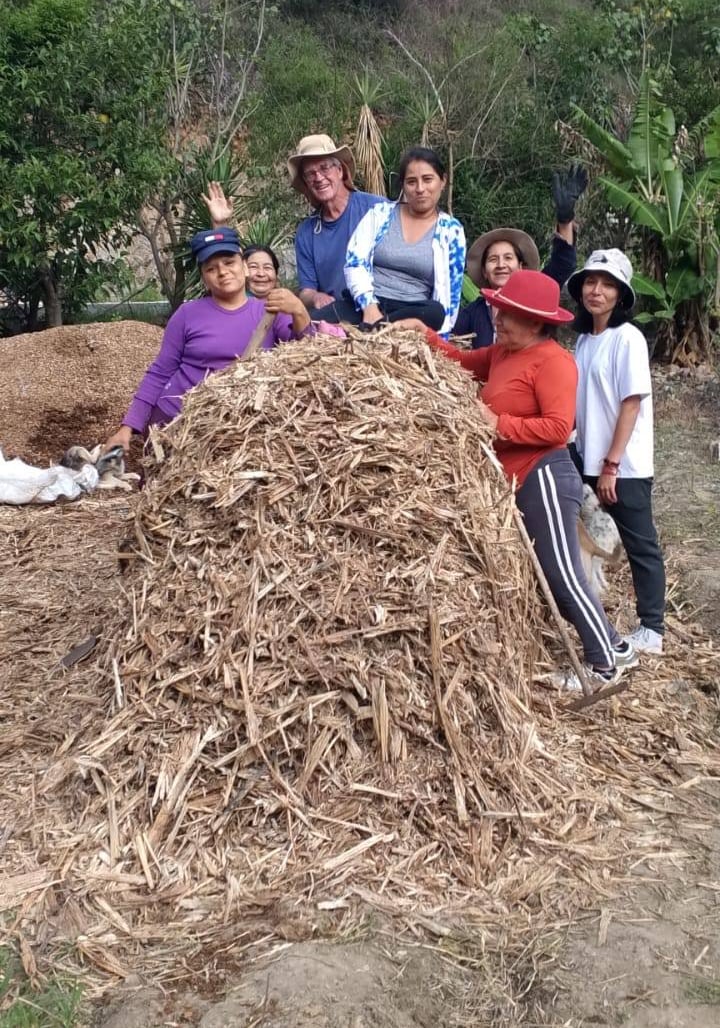
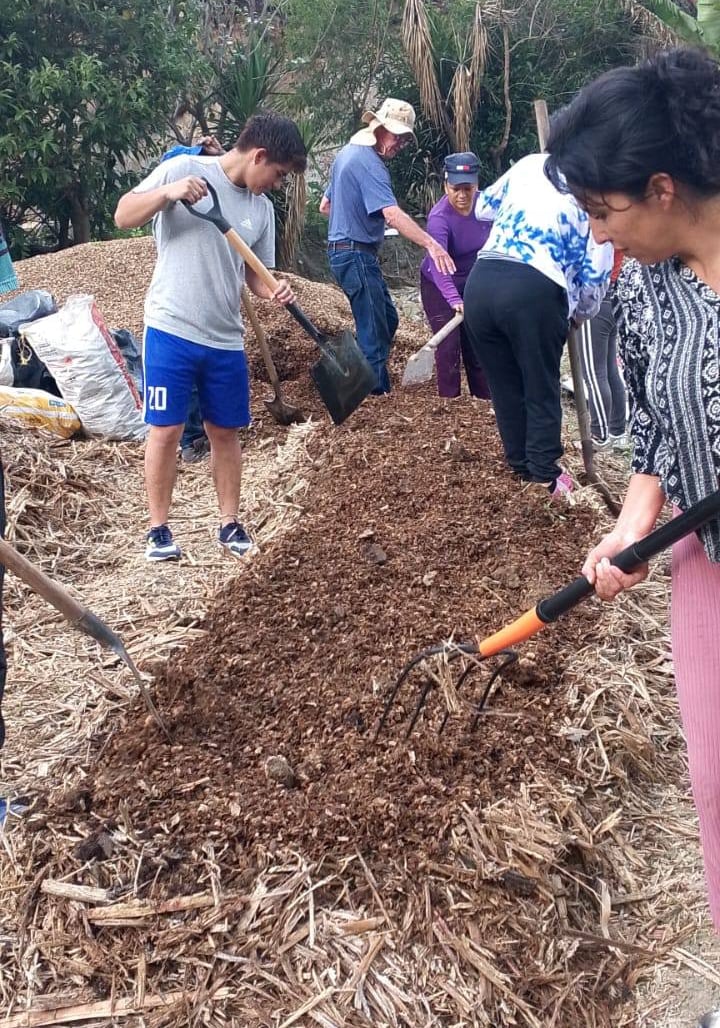
Building a good compost pile is quite creative and satisfying. Even a work of art. Layer after layer of bogasa, peanut hulls and goat or cow manure are carefully placed on the pile. Keeping the sides straight takes some practice.
.A few days ago I gave a workshop on building a compost pile to the Tumianuma garden ladies. We had already bought truck loads of Bogasa ( crushed sugar cane stalks) from a nearby Molienda, peanut hulls, and lots of sacks of goat manure. We also had some cow manure.
From the old and discarded we make beautiful new soil.
When we worked with the Kogi shamans, they shared an exercise with us. Each person was given some cotton to hold in their fingers.. Into this cotton we placed all our aggression. Starting with our own personal anger, moving through our exploitation of the earth, like all the concrete we use for our airports and buildings. Then we had to go national, thinking of our armed forces and all the fighter jets, warships and other armaments that humankind builds.. We then placed the cotton under a stone and gave it to mother earth. This is nourishment for the earth. The only way I can comprehend this is through the compost pile. From the old and discarded we make beautiful fertile soil.
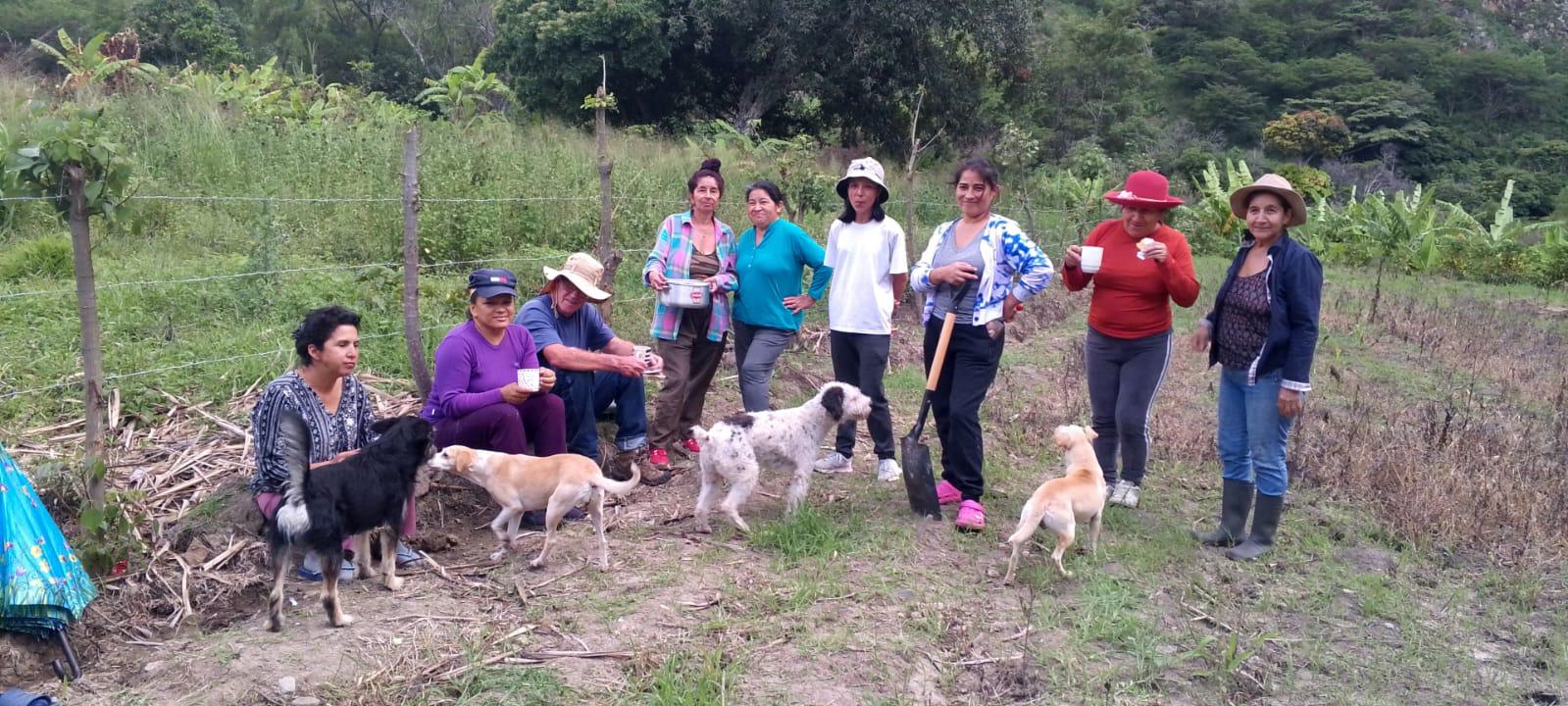
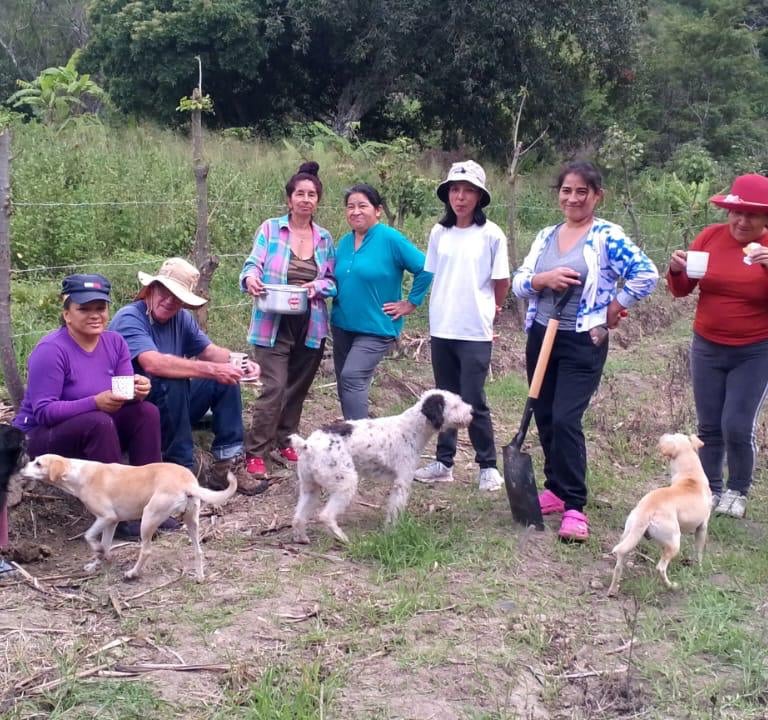
There were about twelve women and a couple of high school boys. We didn’t really have enough of the right tools but that did not matter. Everybody pitched in, mainly using our hands to move the sugar cane stalks. I explained how we layer everything in and how to create a steep side to the pile.
About half way through the coffee and snacks arrived, so we took a break and chatted and made jokes about life.
Making the pile took about two hours and I think that everybody enjoyed themselves, including me.
I am surprised with the fertility of the soil. Everything grows well. Yet I know that if we do not take care of the fertility and organic matter, the crops will fail within a couple of years. This is what I am teaching. The main three things are composting, covering the ground with either the sugar cane stalks which are very cheap or the peanut hulls and the use of Biol, which is liquid manure that locals use a lot. These are all local things that are readily available.
As time goes on and we have the resources I can introduce more practices. I already introduced a planting calendar based on the moon going through constellations. Other ideas are to make lots of Biochar, which works really well in our climate, green manures and the importance of rotation. Also the use of the Biodynamic preparations.
Good locally grown food is the basis for any healthy community. It is the basis for a sovereign Bioregion.
One of our hopes is that we can expand this project to many communities. To create sovereign food systems.
Here in Tumianuma this costs about $200 per garden. This money covers fencing to keep the animals out, irrigation equipment,seeds and sometimes some labor. Many of our women need help with some of the heavy work like putting up a fence. It also includes our community composting sites. We do buy truck loads of manure and bogasa that we compost.
A small donation would really help us expand. If a thousand people gave $10 each we could create our online book and expand our project to other communities.